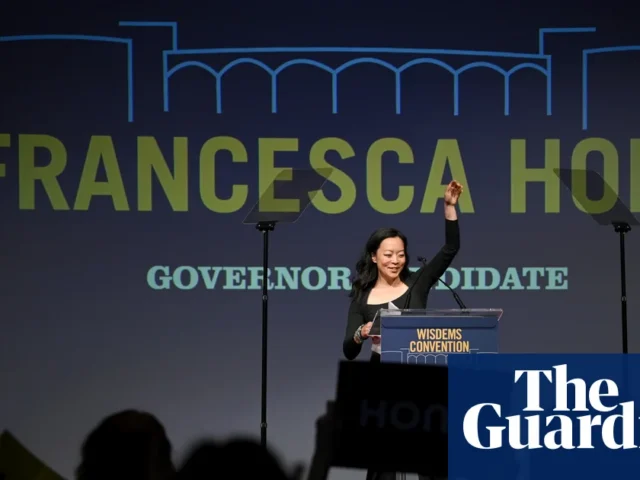

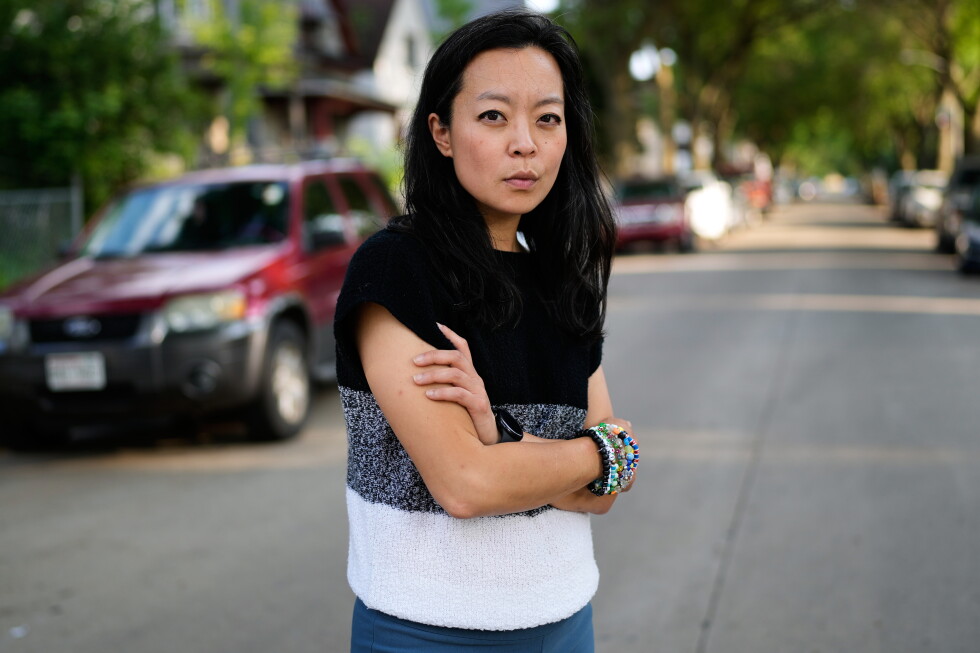
Attention turns to the Upper Midwest this Tuesday as Democratic primary contests in Wisconsin and Minnesota highlight a deepening ideological rift within the party. From gubernatorial hopefuls to Senate contenders, the ballots reflect a recurring struggle between the party’s progressive wing and its more traditional centrist core. This tension is particularly evident in Wisconsin, where State Representative Francesca Hong, a democratic socialist, has emerged as the front runner for governor. While established figures like Governor Tony Evers have backed more moderate options, Hong has capitalized on grassroots energy and a fractured field of opponents to maintain her lead.
The stakes in Wisconsin extend far beyond the governor’s mansion. Because the state remains a critical piece of the puzzle for any future presidential run, whoever takes office will hold immense power over electoral certification and potential redistricting efforts to counter Republican gains. However, some strategists worry that Hong’s history of provocative rhetoric could make her vulnerable in a general election against Republican Representative Tom Tiffany. A similar dynamic is playing out in Minnesota, where Lieutenant Governor Peggy Flanagan is locked in a battle for an open Senate seat against Representative Angie Craig, whose moderate record appeals to swing voters but draws fire from those seeking a more aggressive stance against Donald Trump.
This pattern of insurgency isn’t limited to swing states; it is reaching deep into traditionally blue strongholds like Connecticut. Governor Ned Lamont, once an outsider himself who topped Joe Lieberman in a legendary 2006 primary, now finds himself defending his establishment credentials against State Representative Josh Elliott. Meanwhile, veteran Congressman John Larson is facing pressure from former Mayor Luke Bronin, who frames Larson as too old and overly connected to big money interests. These clashes suggest that Democratic voters across several regions are increasingly frustrated with party leadership and eager for fresh perspectives.
As results trickle in Tuesday night, political analysts will be looking to see if progressives can translate their success in urban centers into victories within purple territories. Recent wins by left-leaning candidates in places like Michigan indicate a shifting tide that could redefine how Democrats campaign heading toward 2028. Whether these insurgencies strengthen the party by energizing the base or create liabilities in competitive districts remains the central question hanging over tomorrow’s elections.