
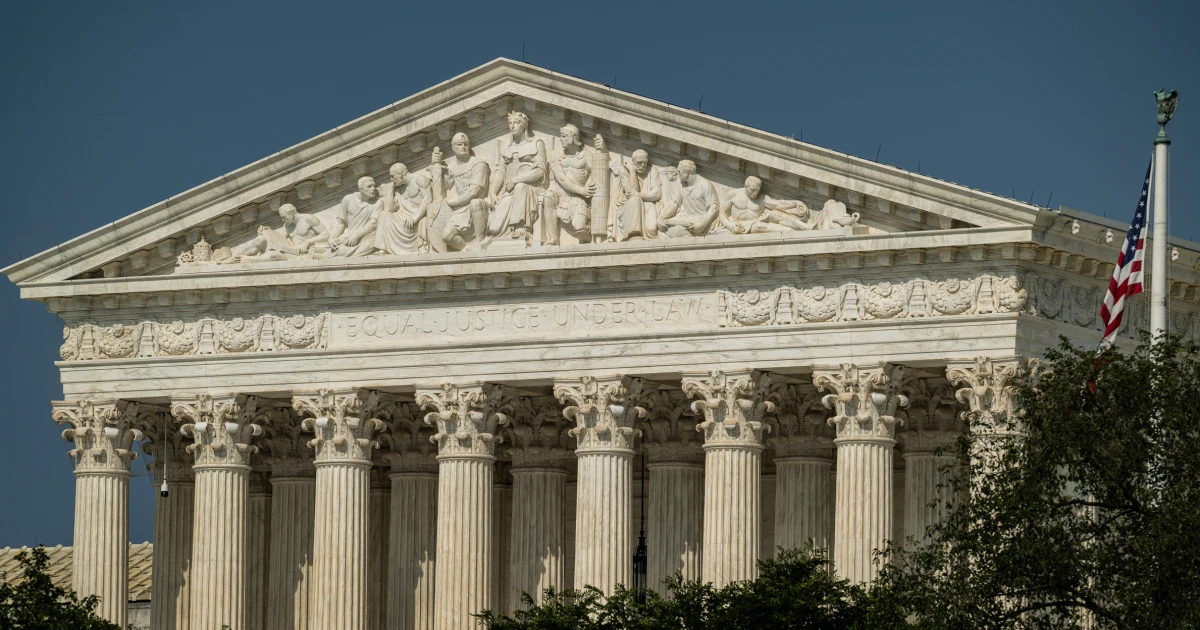
The Supreme Court cleared the way Tuesday for the Trump administration to continue deporting immigrants to third countries, effectively removing legal barriers that had briefly halted the practice. In a brief unsigned order, the justices granted an emergency request from the government to block an appeals court ruling which had found the current process unlawful. The lower court had argued that migrants were not being given a fair opportunity to raise safety concerns or fear of persecution before being shipped to nations where they often have no personal or familial ties.
While the conservative majority paved the way for these removals, the court’s three liberal justices dissented. This latest development follows a period of intense legal volatility over whether federal immigration law requires individual screenings for those facing deportation to partner nations like Rwanda, Eswatini, and South Sudan. According to data from the Migration Policy Institute, roughly 15,000 people have already been deported under this policy since January 2025, with Mexico receiving a significant portion of those individuals.
Government officials celebrated the victory as a win against open borders and criminal activity. James Percival, general counsel of the Department of Homeland Security, described the ruling as a bad day for illegal immigrants and activists alike. Solicitor General D. John Sauer emphasized that previous pauses in the program created massive logistical hurdles and diplomatic friction, noting that one flight intended to transport 70 convicted criminals was recently canceled due to the lower court’s restrictions.
On the other side of the aisle, advocates and attorneys expressed grave concern for those now at immediate risk of removal. Trina Realmuto of the National Immigration Litigation Alliance warned that many may be sent to dangerous environments without any meaningful chance to seek protection. Lawyers representing several unnamed plaintiffs highlighted cases such as a Cuban immigrant with severe mental illness who fears losing access to critical psychiatric care upon arrival in a foreign land. They further alleged that some individuals previously deported through this system have faced indefinite detention and abuse abroad.
Despite these warnings, the Trump administration maintains that individualized determinations are unnecessary because their partner countries have provided assurances regarding humane treatment. While this emergency order restores the status quo for now, it is not a final resolution. The Supreme Court indicated it will hear formal oral arguments in December before issuing a definitive ruling on whether these third country deportations comply with federal law.