
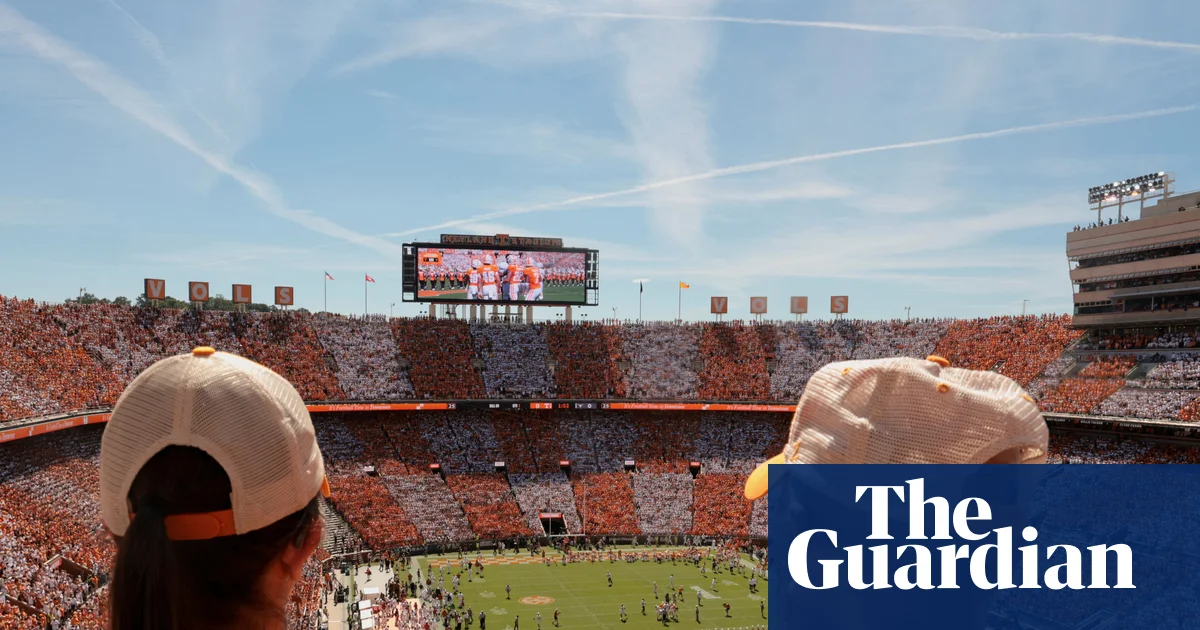
In a decisive bid to bring order to what many describe as the wild west of collegiate athletics, the Senate passed the bipartisan Protect College Sports Act on Monday in a commanding 77-22 vote. The legislation arrives amidst a period of profound instability for the industry, characterized by astronomical athlete payments and a revolving door of transfers that has left rosters in flux. By establishing national regulations for name, image, and likeness payments while granting the NCAA renewed authority and limited antitrust protections, lawmakers hope to replace current courtroom chaos with a standardized legal framework.
The bill seeks to codify recent court settlements that allowed colleges to pay players directly, but it adds significant guardrails to manage escalating costs. A key provision establishes a revenue cap allowing schools to share up to 21.5 million dollars with athletes, supplemented by potential retention funds reaching another 27.5 million dollars—a compromise designed to secure backing from powerhouse organizations like the SEC and Big Ten. Beyond the finances, the act targets the volatility of the transfer portal by limiting athletes to one free move every five years and enforcing a strict five year eligibility window. To further stabilize the ecosystem, it restricts coaches from jumping ship mid-season and prevents conferences from expanding beyond 20 programs to thwart the rise of monolithic superleagues.
Despite the broad consensus in the Senate, where figures ranging from Republican Senator Ted Cruz to Donald Trump hailed the move as essential for saving college sports, the bill faces stiff criticism from labor advocates and several Democratic colleagues. Opponents such as Senator Chris Murphy argue that the legislation protects institutions rather than students, noting that while student earnings are capped, there are no limits on bloated coaching salaries or massive donor contributions. Civil rights groups and members of the Congressional Black Caucus have expressed similar concerns, arguing that the bill ignores whether athletes should be classified as employees with collective bargaining rights.
The path forward remains uncertain as the legislation moves toward the House of Representatives. Given previous failures to bring similar versions of these rules to a vote and an upcoming election cycle followed by legislative recess, proponents face a tight deadline. If it cannot clear both chambers before the end of the year, supporters will be forced to restart their efforts in a new Congress, leaving college sports in its current state of expensive and unpredictable transition.