
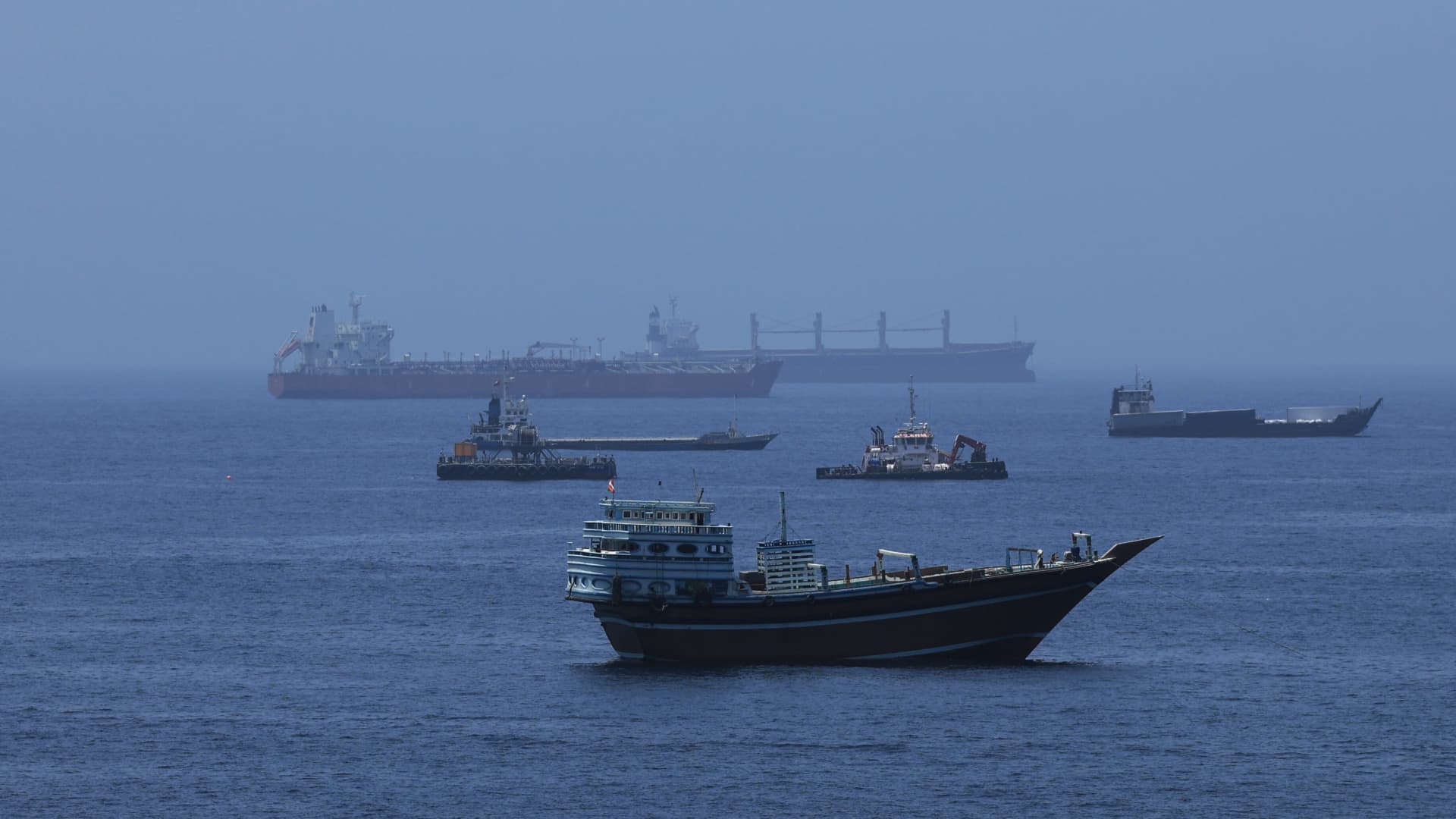
The global energy market is currently trapped in a tense waiting game as hopes for a swift resolution to the blockade of the Strait of Hormuz begin to wither. While Brent crude prices have remained relatively subdued compared to their spring peaks, analysts warn that this period of relative calm is likely a fragile illusion. A brief dip in prices occurred last week after hints from Washington suggested a breakthrough with Tehran was imminent, but those optimistic signals vanished over the weekend as Iranian officials demanded strict new conditions before allowing ships back through the vital maritime chokepoint.
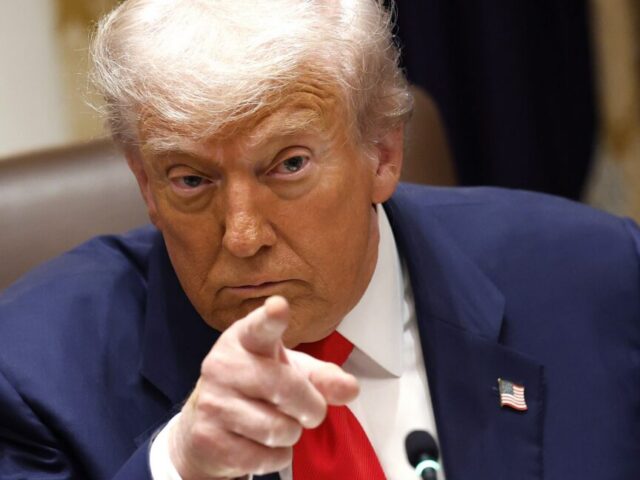
President Donald Trump has since indicated a strategic pivot, suggesting his administration is low-keying its approach and leaning toward intensified economic pressure rather than immediate military action. Despite this shift, the markets are reacting. Early Tuesday trading saw Brent climb toward 88 dollars a barrel, rebounding from a weekly low of around 83 dollars. Though these figures are far below the 110 dollar peak seen in May, experts suggest that traders are merely hedging their bets between a quick diplomatic fix and a protracted crisis.
Economists warn that there is a looming tipping point where the world’s ability to absorb this supply shock through existing stockpiles will simply run out. If the deadlock persists into the fourth quarter and OECD inventories continue to plummet, history suggests prices could skyrocket into the 120 to 140 dollar range. The current buffer provided by diverted exports and fluctuating demand cannot hold indefinitely, especially as China begins to ramp up its own crude imports once again after a significant lull in May.
For now, small glimmers of hope remain as Oman attempts to broker a temporary shipping route, providing just enough confidence to prevent another immediate panic. However, industry insiders argue that the underlying fundamentals are increasingly bullish for price hikes. Between the persistent threat of Houthi strikes on Saudi infrastructure and the sheer volume of oil trapped behind the Hormuz deadlock, many believe that oil prices cannot stay suppressed for long while physical supplies remain constrained.